
When AI Meets Cinema: Can Tech and Creatives Coexist?
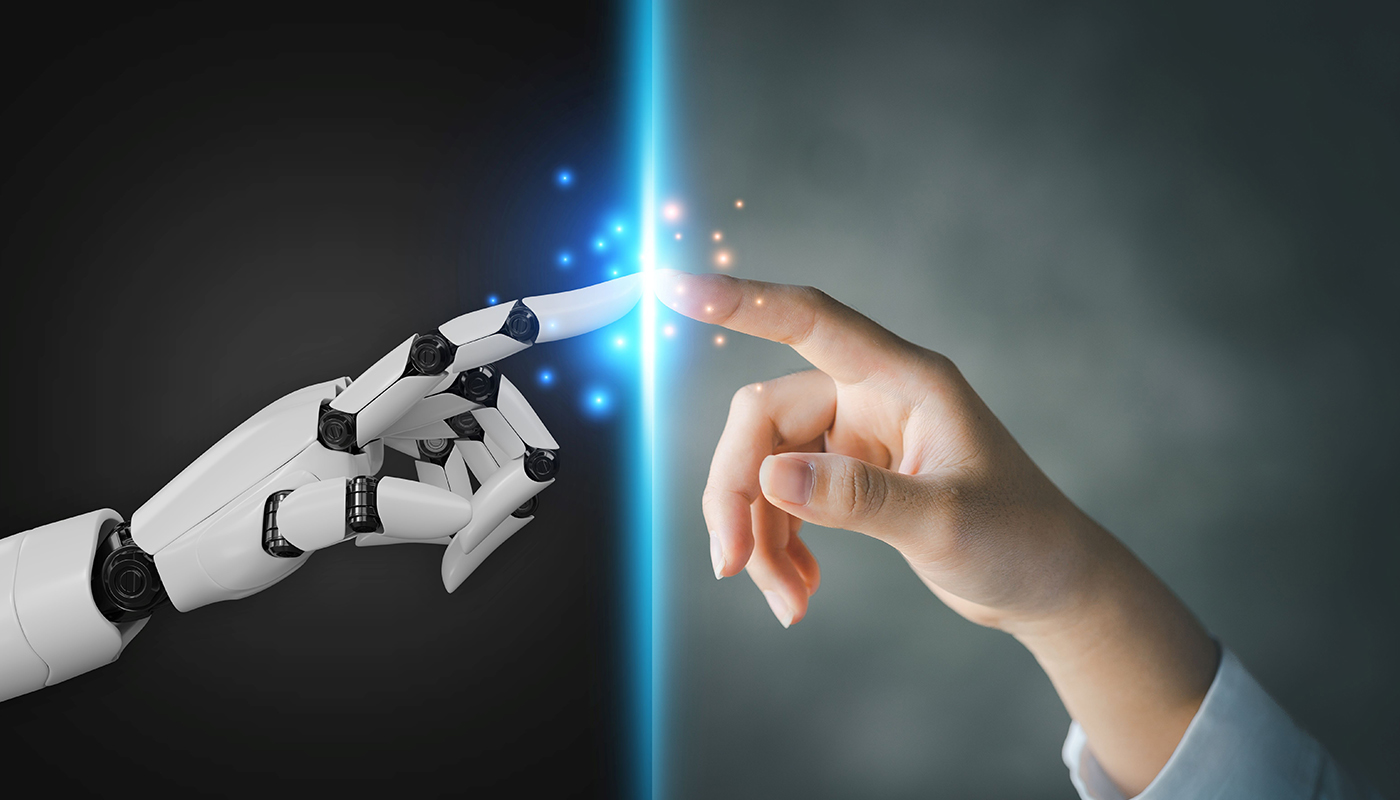
AI in movies isn’t just coming — it’s already here. From automated script generation to deepfake-powered editing, artificial intelligence is becoming an invisible hand behind an increasing number of UK film productions. For many, this feels like a turning point. And not everyone is excited.
The question is no longer whether AI belongs in creative workflows, but how far its influence should go. While some directors embrace it as a tool to reduce costs and streamline post-production, others fear it flattens creative nuance. The tension is especially visible during early weekdays on set, when fewer crew members means more reliance on automation.
It seemed manageable — until it wasn’t. With AI now scripting, casting, and cutting trailers, even seasoned creatives are wondering: where does the human end and the algorithm begin?
Context in the UK Tech Ecosystem
The UK tech ecosystem is no stranger to innovation, especially in film-adjacent sectors. Companies like Synthesia and Runway are shaping how visual storytelling is built, with deep learning at the core. But Britain’s rich tradition in cinema adds a unique layer of cultural resistance.
Read also:
Soft2Bet: from a small startup to an international company
 British startups in the creative tech sector walk a fine line. They aim to push boundaries while staying palatable to traditionalists. The British Film Institute (BFI) and Creative UK have begun funding hybrid projects that combine AI with grassroots talent. Still, debates about authorship, authenticity, and ethics are intensifying.
Some voices, especially in film schools and unions, argue for strict boundaries. “Let AI assist, not replace” has become a recurring phrase in pitch meetings. That’s part of it. But not everything.
Key Players, Products, or Moves
Among the UK startups making noise in this space is Hyperfilm, a London-based AI engine for predictive script analytics. It doesn’t write scripts, but it evaluates emotional arcs and character pacing.
Meanwhile, indie production house FrameRight uses AI to budget in real time, helping directors see the cost of a scene before it’s shot. Not exponential — but steady progress.
Then there’s VFX startup GhostFrame, integrating machine learning to auto-correct lighting in post, reducing the need for expensive reshoots. During tech expos, their demo lines slow after lunch — a quiet nod to industry fatigue, but also fascination.
Market Relevance and Insight
The rise of AI filmmaking tools isn’t purely technical — it’s economic. With rising production costs, AI offers scalability and speed. But the shift isn’t only about money.
AI in movies represents a deeper market shift: from auteur vision to collaborative curation. The idea that a film can be “co-created” with code isn’t just a gimmick anymore. Some creatives call it a betrayal; others see it as evolution.
Interestingly, the term “AI filmmaking” is no longer niche. Search interest in “creative tech UK” has doubled in the last 18 months. Investors and studios are now asking not just “Can it scale?” but “Will it resonate?”
 Forward Outlook or Reflection
There’s no doubt AI will play a larger role in the future of cinema. But the real question is: who gets to steer?
If left unchecked, AI might shape not just how films are made, but what kinds of stories get told. And whose voices get prioritized. That tension won’t fade soon.
Still, for all the worry, there’s optimism. AI isn’t stealing creativity — it’s forcing it to evolve. And for a generation raised on both Spielberg and TikTok, that might not be a bad thing.
Some might disagree — and not without reason.